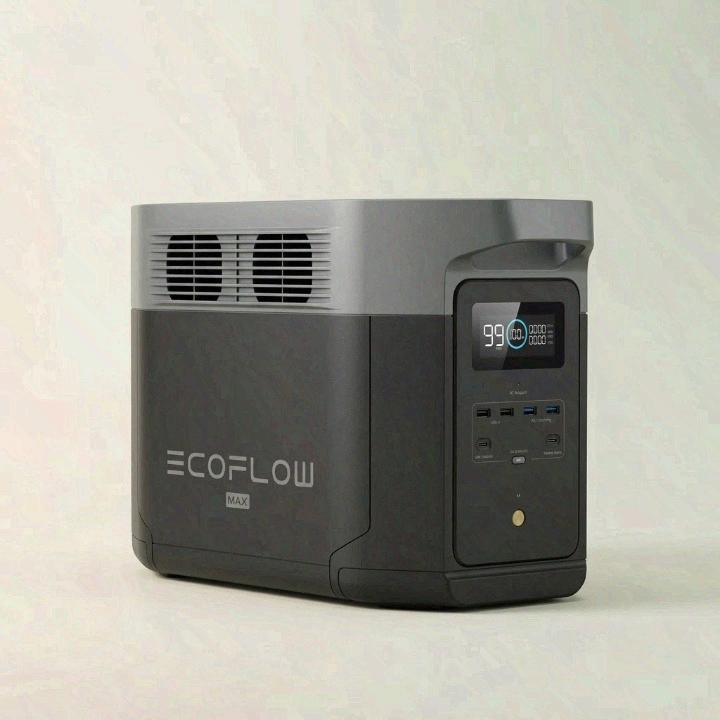
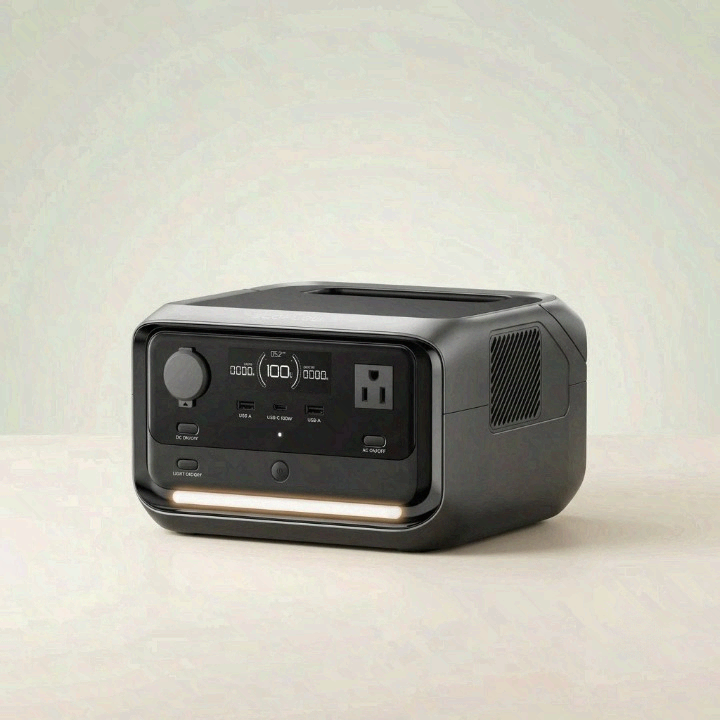
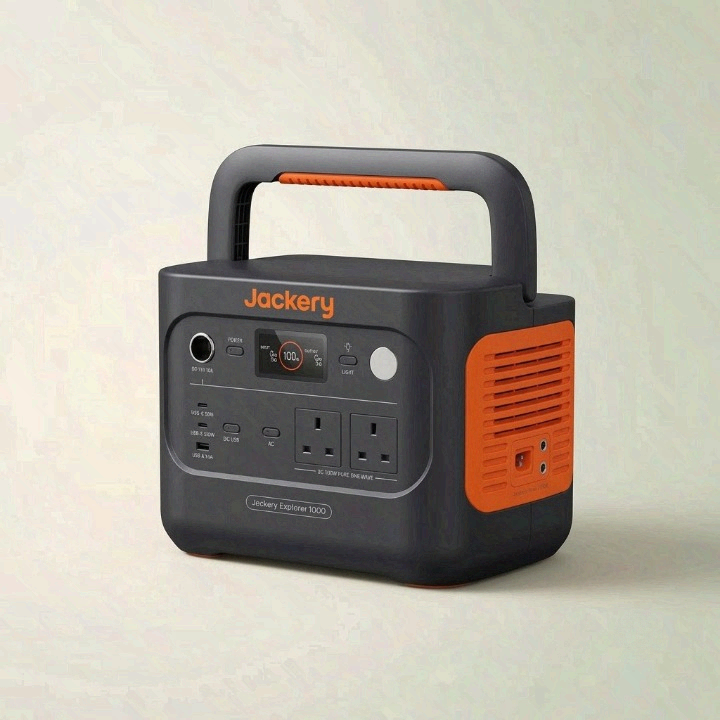
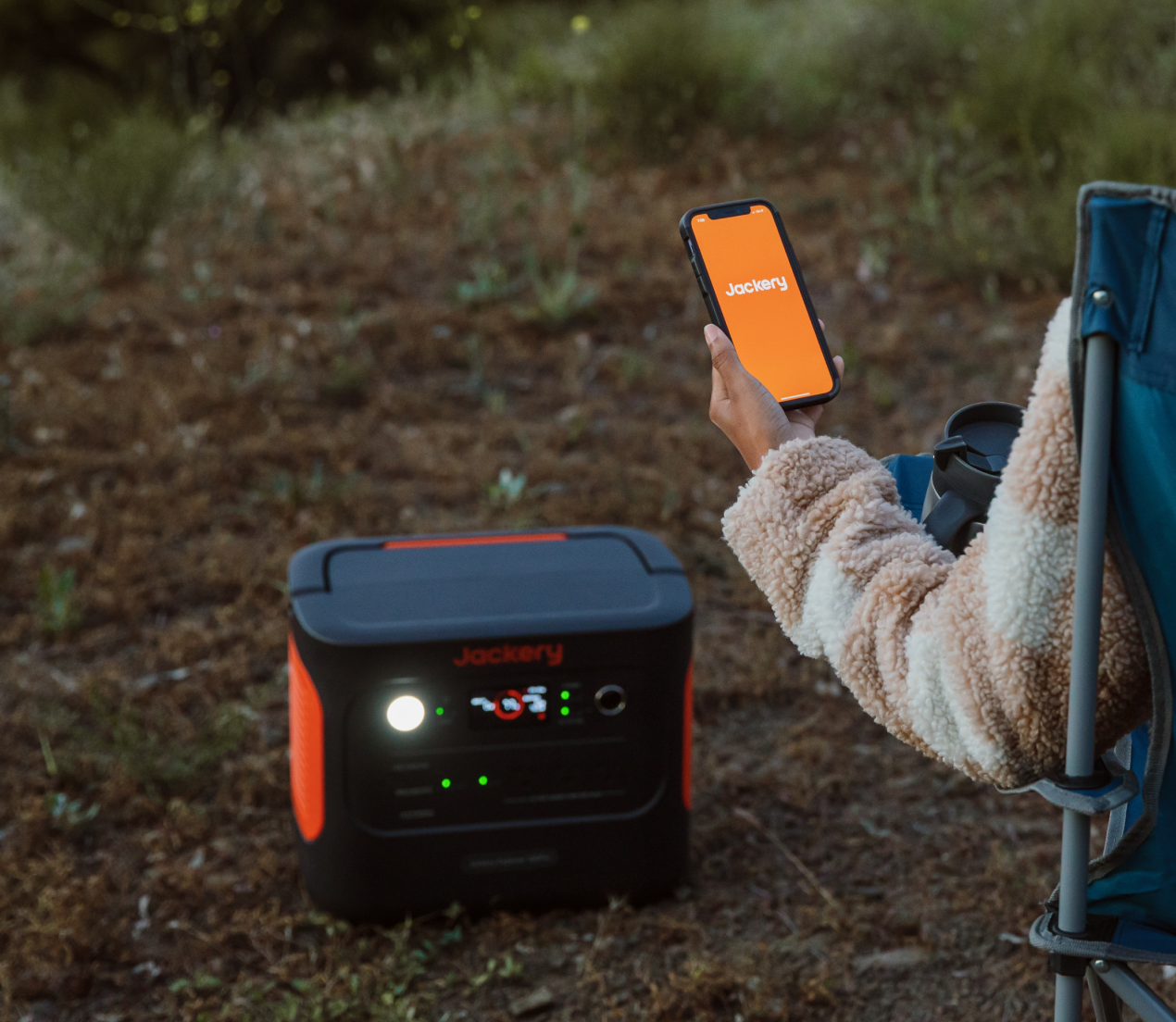
Start with a familiar device, then enter its actual wattage. The estimate is for this station, not a generic battery size.
While working and charging
Enter a positive wattage and 1–100 whole devices. For mixed devices, enter their combined average watts with quantity 1. Startup draw must include other running devices.
ESTIMATED RUNNING TIME
13.2–14.8 hours
1,070 Wh battery · 60 W device load 80–90% usable energy · assumed 5 W overhead
An estimate, not a promise
Estimates depend on device wattage and conditions of use. Each example runs one device from a full battery, with 80–90% usable energy and an assumed 5 W station overhead. Actual standby draw varies by model. Temperature, battery age, output mode and compressor duty cycles can change the result significantly.
Laptop · 60 W
13.2–14.8 h
While working and charging
Wi-Fi router · 10 W
57.1–64.2 h
Router only, not the modem or ONT
Mini fridge · 60 W
13.2–14.8 h
Average draw; check compressor startup
Phone charger · 10 W
57.1–64.2 h
Charging time, not full-charge count
CPAP · 40 W
19–21.4 h
Without humidifier or heated tubing
TV · 80 W
10.1–11.3 h
Example LED television
CPAP figures are illustrative, not a medical backup guarantee. Confirm your exact device and settings with its manufacturer and keep an independent backup plan. For charge counts, compare usable station energy with the actual device battery capacity.
READY FOR THE NEXT DAY
How quickly does it recharge?
Charging speed
0–100% in ~1.7 h
Normal full AC charge: about 1.7 hours. App-enabled Emergency Charging can reach 100% in about 1 hour; conditions apply. This is not a 0–80% claim.
AC supply: 120 V AC, 60 Hz.
Solar charging
Up to 400 W input
About 3 hours with 2 × SolarSaga 200 W panels in ideal sunlight. Panels and any required adapters are sold separately.
2 × DC8020 solar inputs; up to 400 W combined. Check the manual for voltage and current limits before connecting panels.
120V · US model. Confirm 60 Hz support and the socket type for your appliance in the manual.
Outlet ratings share the station's total output budget. USB-C charging also needs a compatible PD device and cable. Maximum simultaneous port output may be lower than the sum of individual ratings.
Built for your kind of trip
23.8 lb / 10.8 kg
Suited to road trips and carrying between home and camp. Keep the unit dry and secure it during transport.
Dimensions
12.87 × 8.82 × 9.72 in / 32.7 × 22.4 × 24.7 cm
Noise
About 30 dB in Quiet Charging mode; fan noise increases with load and faster charging.
App connectivity
Wi-Fi + Bluetooth
Road-trip portable, not flight carry-on
This 1070 Wh station exceeds standard passenger-aircraft battery limits. Do not pack it in carry-on or checked luggage.
THE DETAILS THAT MATTER
Battery, specifications & peace of mind
Chemistry
LiFePO4
Capacity
1,070 Wh
Cycle life
4,000 cycles to at least 70% of original capacity
Extra battery expansion
No external expansion listed
Warranty
3+2-year warranty
Cycle life refers to remaining capacity after repeated charging, not an expiration date or guaranteed calendar lifespan. Heat, depth of discharge and storage conditions affect battery health.
BEFORE YOU DECIDE
A little more clarity.
Straight answers to the questions that matter before choosing a station.
Estimates depend on device wattage and conditions of use. Each example runs one device from a full battery, with 80–90% usable energy and an assumed 5 W station overhead. Actual standby draw varies by model.
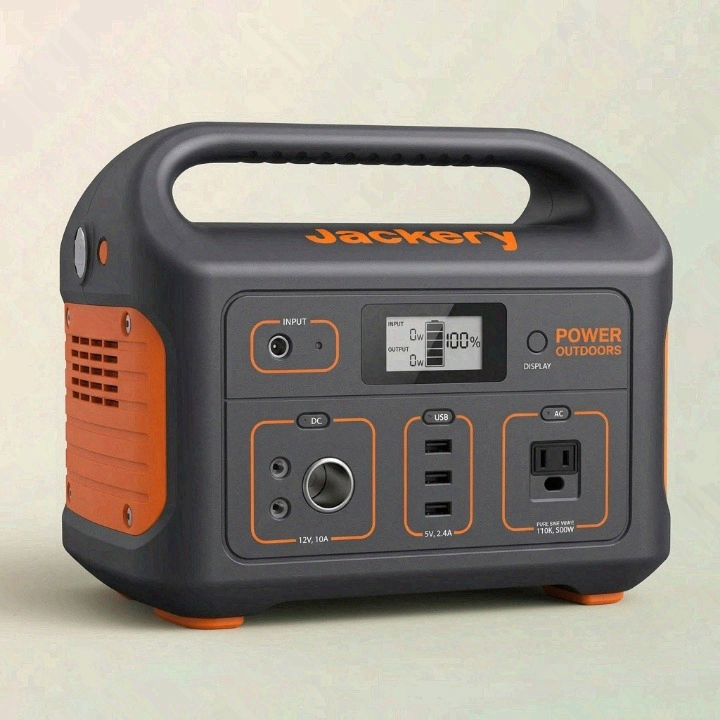
7 outputs · AC / DC7 ports: AC · 3× USB-A · 2× DC · 12V
Estimates depend on device wattage and conditions of use. Each example runs one device from a full battery, with 80–90% usable energy and an assumed 5 W station overhead. Actual standby draw varies by model.
11 outputs · USB-C11 ports: 4× AC · USB-C 100W · 3× USB-A · 3× DC